Finding a trustworthy sensor supplier in China is tough. A wrong partner can ruin your business with bad parts. I'll show you exactly what to check for quality.
To choose a reliable auto sensor manufacturer, you must personally inspect their factory or have a trusted agent do it. Focus on four key areas: raw material quality, assembly processes, advanced manufacturing techniques like laser welding, and their quality control and testing procedures.
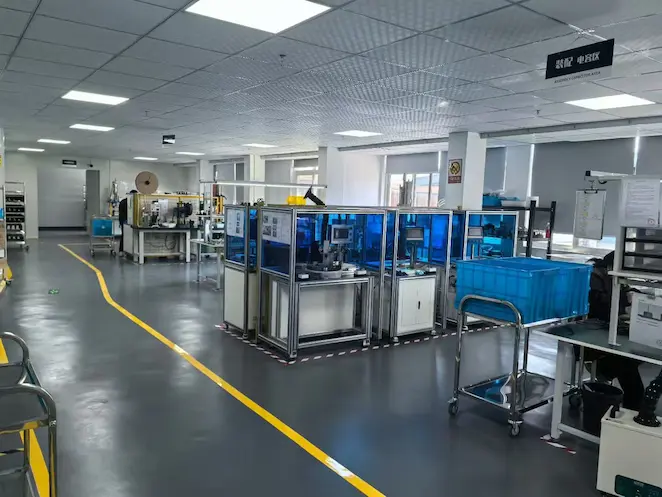
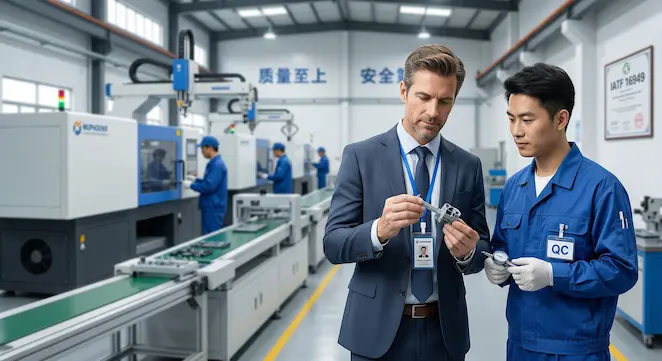
I've spent years in the auto parts industry, and I've seen it all. Many factories look good on paper, but the reality is often different. A factory tour is your best tool. It tells you more than any certificate or sales pitch. It allows you to see with your own eyes if a potential partner can truly deliver on their promises. Let me walk you through the exact process I use when I show my own clients our facility, starting with the very foundation of any good sensor.
Do They Use High-Quality Raw Materials?
Your sensors are failing prematurely. Customers are complaining, and you suspect cheap materials are the cause. This erodes trust and costs you money. Let's start at the source: the warehouse.
A reliable manufacturer proudly shows you their raw material storage. Look for branded, high-grade materials like BASF plastics for housings and OEM-grade chips for the electronics. This transparency is a clear sign of a commitment to quality from the very beginning.
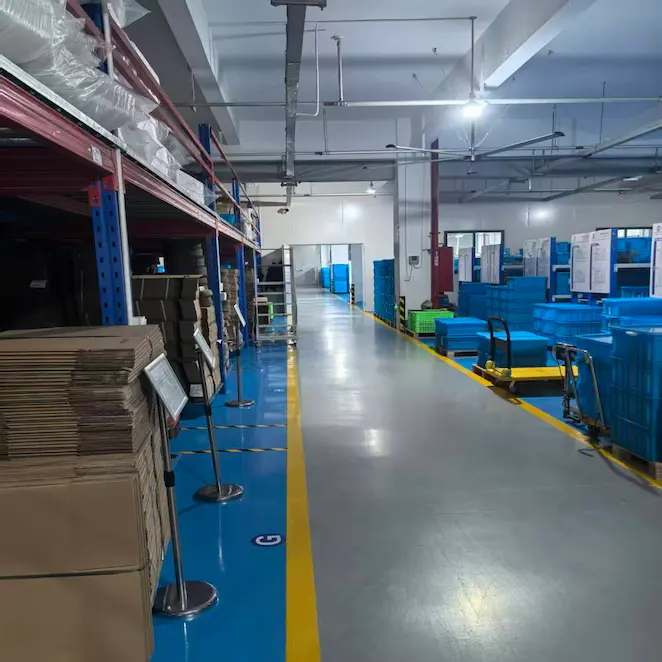
When I take clients on a tour, the first stop is always our raw materials warehouse. This isn't the most exciting part of the factory, but it's the most important. The quality of a sensor is decided before it is even assembled. I want you to see the actual components we use because it speaks volumes about our commitment. You can't make a first-class product with second-class materials. Ask to see the bags of plastic pellets, the reels of chips, and the containers of resin. A good supplier will be proud to show you.
Here is what I tell my clients to look for:
| Material | What to Look For | Why It Matters |
|---|---|---|
| Plastic Pellets | Brand names like BASF. | Determines the sensor housing's durability and resistance to heat, oil, and vibration in the engine bay. |
| Electronic Chips | OEM-grade or reputable brands. | The "brain" of the sensor. High-quality chips ensure accurate and consistent signal output. |
| Thermistors | Consistent specifications. | For temperature sensors, quality thermistors provide precise readings across the entire operating range. |
| Epoxy Resin | Clear, uniform quality. | Used to protect the delicate internal electronics from moisture, dust, and vibration. |
How Do They Ensure Precise Component Assembly?
You're worried about sensor inconsistency. One batch works perfectly, but the next has high failure rates. This inconsistency points to a flawed assembly process. Let’s look at how things are put together.
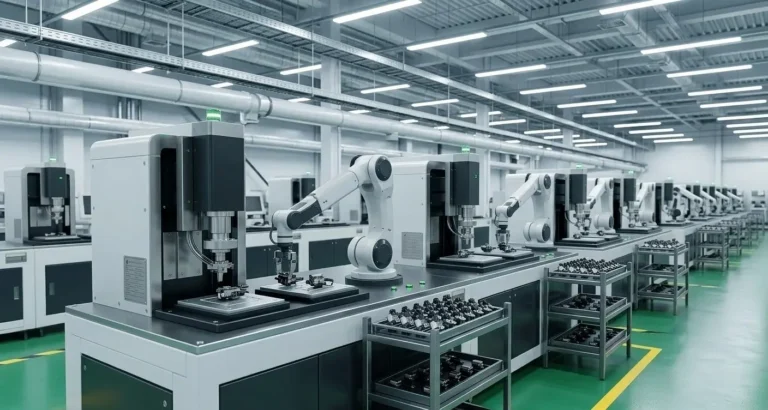
Observe their encapsulation center. A top-tier factory uses automated technologies like Surface Mount Technology (SMT) for placing chips and precise soldering techniques. This minimizes human error and ensures every sensor's internal components are perfectly connected.
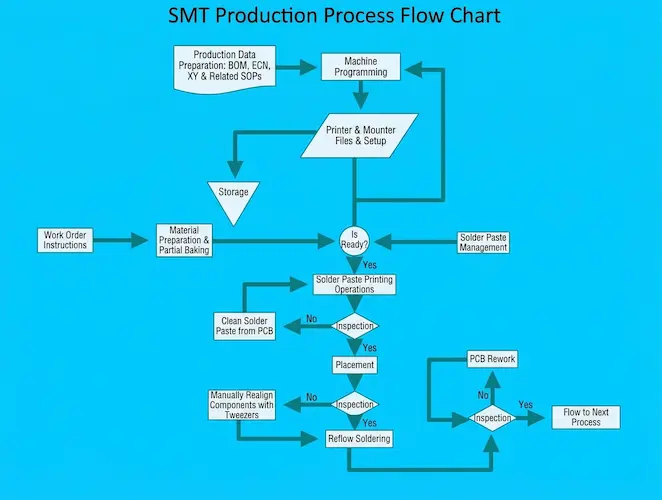
Next on my tour is the encapsulation and assembly center. This is where the raw materials we just saw are turned into the core of a sensor. Precision is everything here. A tiny mistake in placing a chip or a weak solder joint can lead to a complete failure down the road. This is where you can separate a modern factory from a simple workshop. Look for automation. While some manual work is always needed, the critical steps should be handled by machines for consistency. I always point out our SMT lines. Watching a machine place tiny components with incredible speed and accuracy shows our investment in quality. It proves we are serious about removing human error from the most delicate part of the process.
Assembly Technologies to Identify
- Surface Mount Technology (SMT): This is an automated process where machines place electronic components, like chips and resistors, onto the surface of a printed circuit board (PCB). It's much more precise and faster than doing it by hand.
- Automated Soldering: Look for wave soldering or reflow soldering ovens. These methods ensure that every connection is strong and consistent, which is crucial for the sensor's long-term reliability.
Are Their Manufacturing Techniques Advanced?
Your current supplier's sensors look poorly made. The seams are weak and prone to leaks. This is a sign of outdated or cheap manufacturing methods. Let's examine their core production technology.
Ask to see their welding process. An advanced manufacturer will use techniques like laser welding for sensor bases. This creates a stronger, cleaner, and more hermetic seal compared to traditional methods. It shows they invest in modern, high-quality production.
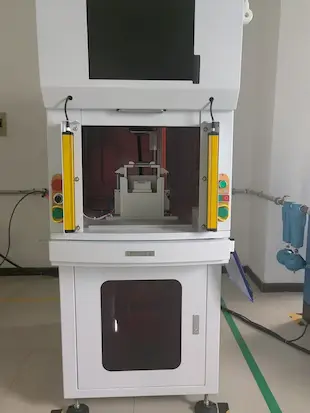
After we see the delicate assembly of the internal electronics, I like to show our clients the next critical step: sealing the sensor. The sensor's housing has to protect the electronics from the harsh environment of a car engine. It must withstand intense heat, vibration, and exposure to fluids. The way the sensor base is attached to the housing is critical. Many factories use older, cheaper methods, but we use laser welding. When I show clients our laser welding center, they can see the difference. The process is clean and incredibly fast, and the resulting weld is flawless. It creates a perfect, hermetic seal that is far stronger than what you get with glue or friction welding. This technology is expensive, so seeing it in a factory is a very good sign.
Comparing Sealing Techniques
| Technique | Description | Pros & Cons |
|---|---|---|
| Laser Welding | A focused beam of light melts and fuses the metal parts. | Pro: Extremely strong, clean, hermetic seal. Con: High initial investment for the factory. |
| Friction Welding | Parts are spun against each other to generate heat and create a weld. | Pro: Strong bond. Con: Can create debris and is less precise than laser. |
| Adhesives/Epoxy | The parts are glued together. | Pro: Cheap and easy. Con: Prone to failure over time with heat and chemical exposure. |
How Do They Guarantee Product Quality and Reliability?
You receive a shipment, but a high percentage is defective. Your supplier claims they tested them. This proves their testing is inadequate. Let's see what real quality control looks like.
A reliable supplier must perform 100% end-of-line testing on every single unit, not just batch testing. They should use CMMs for dimensional accuracy and signal testers to verify performance. This ensures every sensor leaving the factory meets specifications.
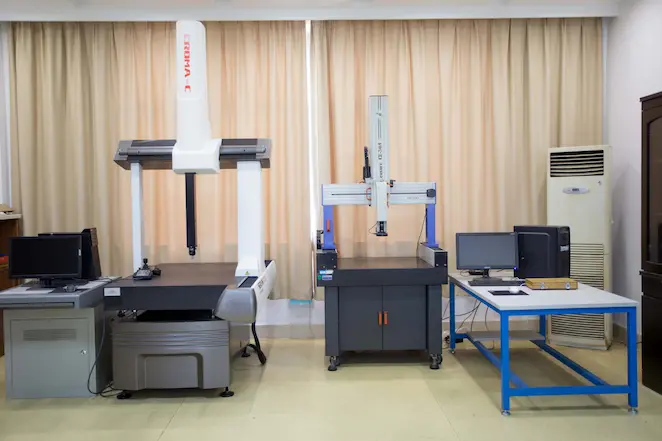
The final, and most important, stop on our tour is the quality control department. I always say, "You build quality in, you don't test it in." But you absolutely must verify it at the end. This is the part of the tour that gives our B2B clients the most confidence. There are two types of testing a great manufacturer must do. First is the 100% inspection for every sensor that comes off the production line. Second is the durability testing for new designs. I show clients our end-of-line testers where every single sensor is checked for a correct signal. Then I show them our lab with specialized equipment that simulates years of use in just a few days.
Two Pillars of Quality Testing
| Testing Type | Purpose | Equipment Used |
|---|---|---|
| 100% Production Inspection | To ensure every single sensor shipped meets the required performance and dimensional specs. | Coordinate Measuring Machine (CMM), Signal Testers, Air Tightness Testers. |
| New Product Reliability Testing | To validate that the sensor design can survive in a harsh automotive environment over the long term. | High/Low Temperature Cycling Chamber, Electromagnetic Vibration Table, Salt Spray Tester. |
Seeing these machines in action proves that the factory is not just making promises about quality; they are actively investing to guarantee it.
Conclusion
Choosing a manufacturer means checking their materials, assembly, technology, and testing. A detailed factory tour is the only way to truly verify a supplier's quality and reliability for your business.