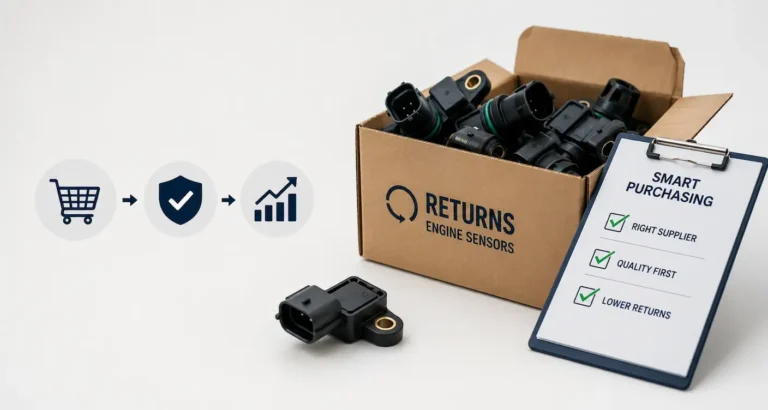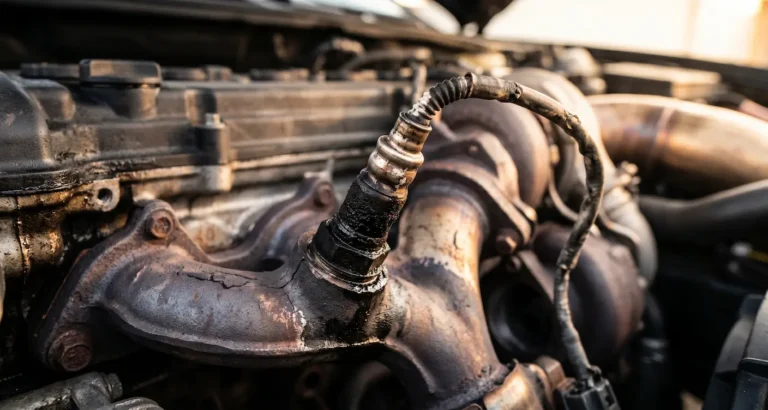
Sourcing cheap sensors feels like a smart business move. But frequent returns and warranty claims are eroding your profits and brand trust. What if a low defect rate was the key?
Yes, cheap sensors often use inferior materials and outdated processes, leading to high failure rates. Choosing a supplier with a defect rate below 50 PPM protects your brand's reputation. This is achieved through superior materials, advanced laser welding, and rigorous multi-stage testing.
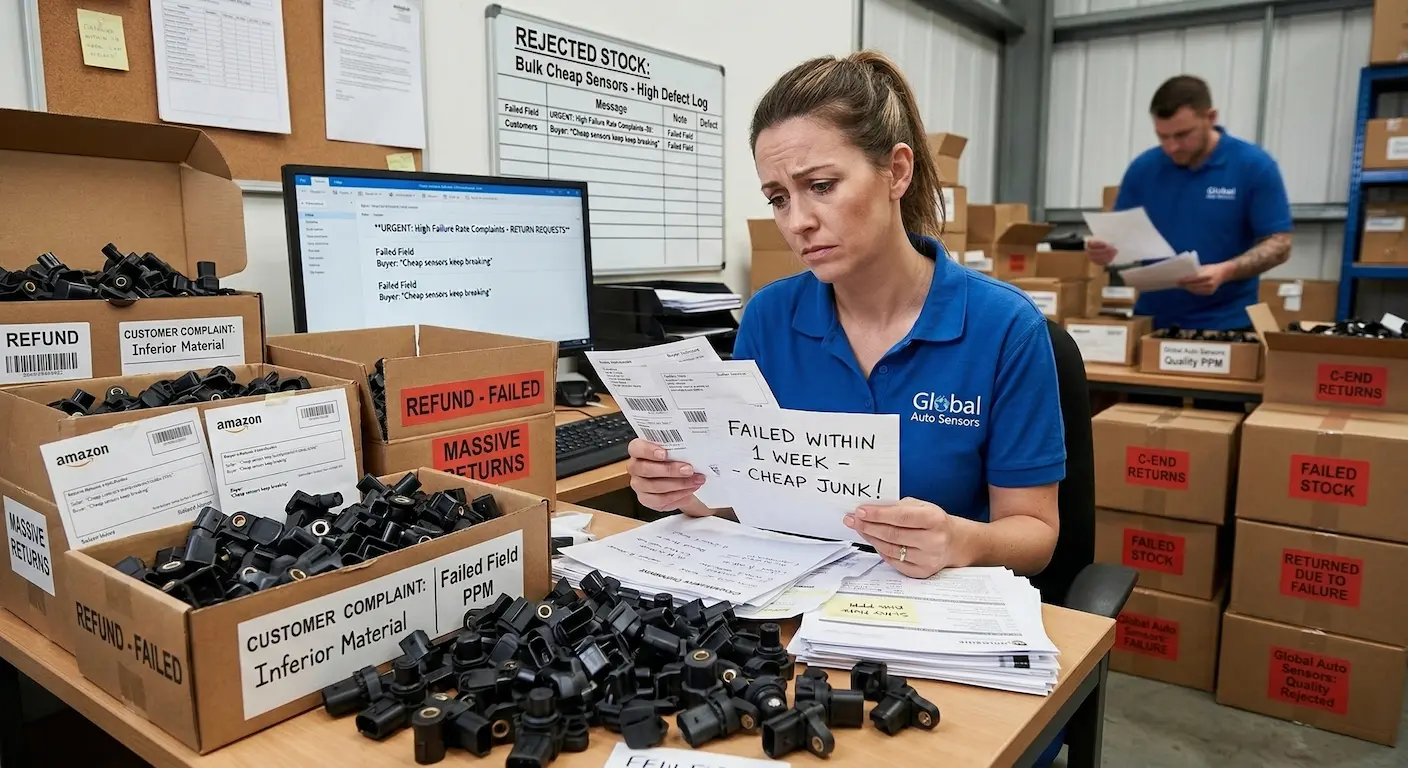
It's a story I've seen play out time and time again in my years in the auto parts industry. A buyer is presented with two seemingly identical sensors. One is significantly cheaper. The temptation is strong, and a deal is made. Months later, the emails and phone calls start, all complaining about failed parts. The initial savings are quickly erased by the cost of returns, warranty claims, and a damaged reputation. But have you ever stopped to think about what really goes into making a sensor that costs a few dollars less? Let's break it down.
Why Does the Plastic Housing of a Sensor Matter So Much?
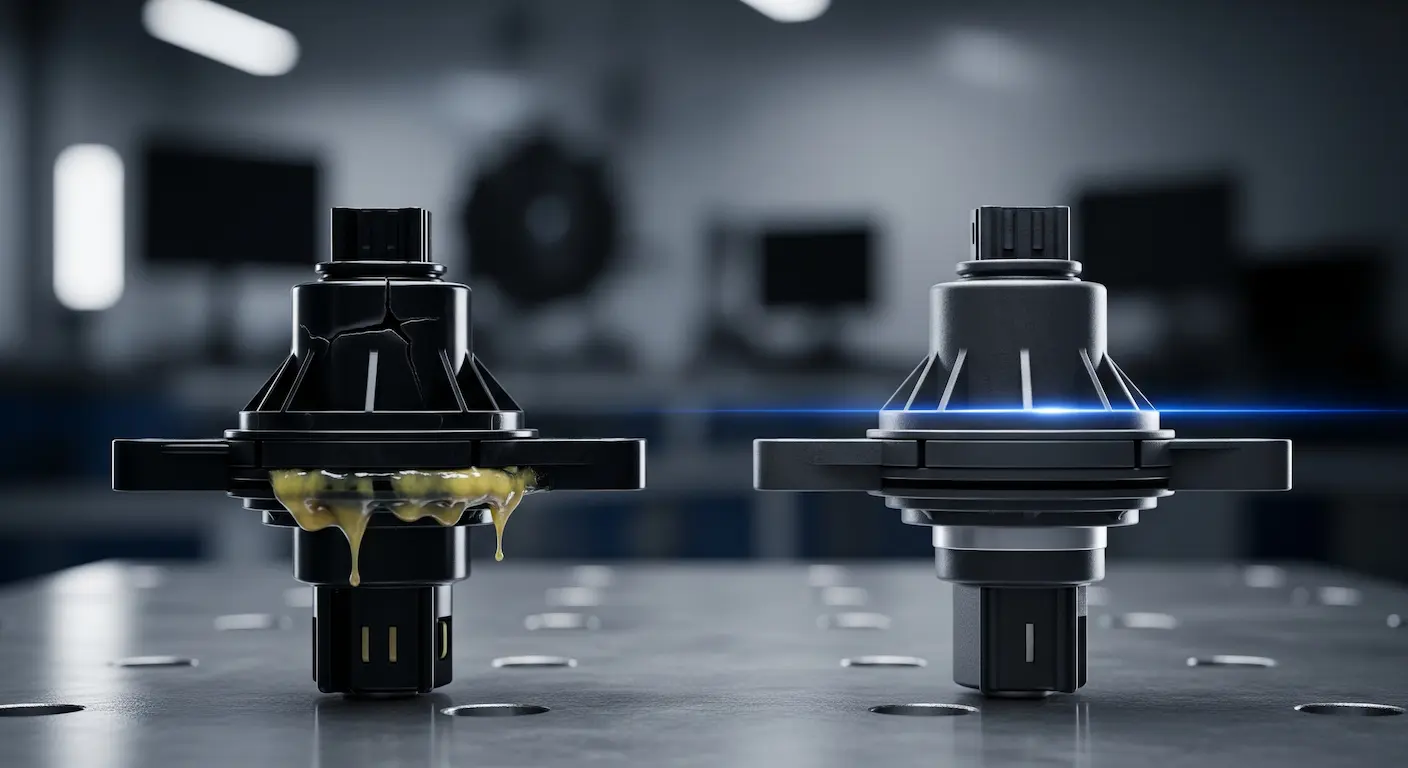
You found a supplier with unbeatable prices. But now, customers complain about cracked sensors. The problem might be the plastic casing itself, failing under the intense heat of the engine.
The sensor housing protects delicate electronics from extreme engine conditions. Cheap, recycled plastics crack easily under heat and pressure. We use high-grade materials like BASF plastic, ensuring long-term durability and performance. This choice directly impacts reliability and your brand's image.
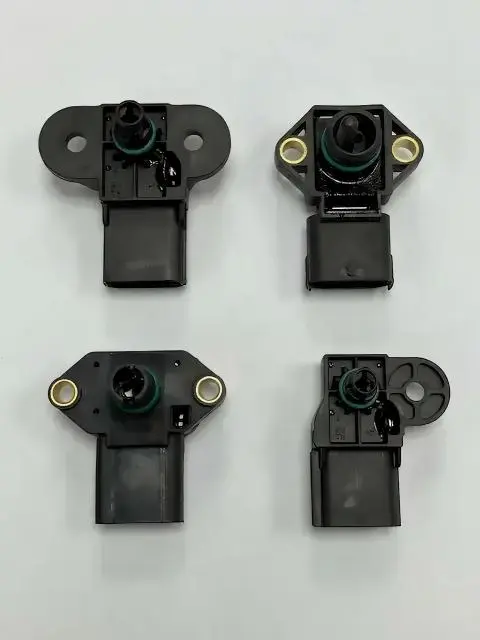
The engine bay is a brutal environment. It's a world of constant vibration, extreme temperature swings, and exposure to harsh fluids. The sensor's outer shell is its only line of defense. Many low-cost factories use cheap, recycled plastic pellets to mold their sensor housings. These parts might look fine out of the box—often a shiny, perfect black. The problem is that this material becomes brittle when exposed to heat. After a few months in an engine, it can easily crack, allowing moisture and dirt to destroy the sensitive electronics inside.
I remember a client once questioning the slightly whitish haze on our black sensor housings. They thought it was a defect. I had to explain that this is actually a sign of quality. It's a characteristic of the high-grade BASF polymer we use. It means the material is stable and hasn't been mixed with cheap fillers. We choose long-term reliability over superficial appearance every time.
Material Quality Comparison
| Feature | Cheap Recycled Plastic | High-Grade BASF Plastic |
|---|---|---|
| Heat Resistance | Low, becomes brittle | High, maintains integrity |
| Durability | Prone to cracking | Excellent, long lifespan |
| Initial Appearance | Shiny, jet-black | Matte, may have a slight haze |
| Long-Term Impact | High returns, negative reviews | Low returns, customer trust |
What's Inside Your Sensor, and How Is It Put Together?
Two sensors look identical on the outside, but one is half the price. You choose the cheaper one, but failure rates are high. The hidden difference is inside the part.
The price difference often comes from the internal components and the assembly method. Some factories cut costs by using fewer functional chips or relying on manual gluing. We use the full set of required chips and advanced laser welding to ensure maximum precision and a permanent bond.
A modern sensor is not a simple switch. It's a complex electronic device. For example, a single sensor might contain multiple functional chips to measure pressure, temperature, and more. Each high-quality chip can add a few dollars to the production cost. To hit a low price point, some manufacturers will simply leave out some of these chips. The sensor might still function in a limited capacity, but it won't perform to OEM specifications, leading to check engine lights and poor vehicle performance.
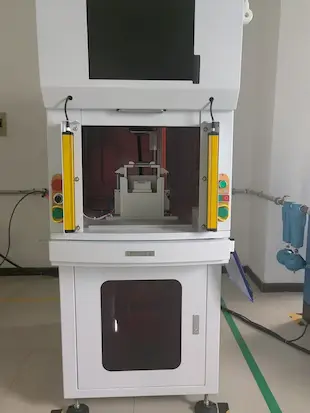
Even more critical is how the parts are joined. The cheapest method is manual gluing. A worker applies adhesive to join the sensor base and housing. This method is inconsistent and the glue degrades over time with heat and vibration, causing the sensor to fail. A better method is ultrasonic welding, but our experience shows it's not foolproof. That’s why we invested in laser welding. It uses a focused beam of light to melt and fuse the plastic parts together at a molecular level. This creates a perfect, permanent seal that is incredibly strong and resistant to the harsh engine environment. It’s an expensive process, but it eliminates a major point of failure.
Assembly Method Comparison
| Assembly Method | Manual Gluing | Ultrasonic Welding | Laser Welding (Our Method) |
|---|---|---|---|
| Bond Strength | Low, degrades over time | Medium | Very High, permanent |
| Precision | Low, inconsistent | High | Extremely High |
| Contamination Risk | High (glue residue) | Low | None |
| Reliability | Poor | Good | Excellent |
How Can You Be Sure Your Sensors Will Actually Work?
You've placed a large order for sensors. You hope they work as advertised. But without a transparent quality control process, you're just gambling with your brand's reputation and your money.
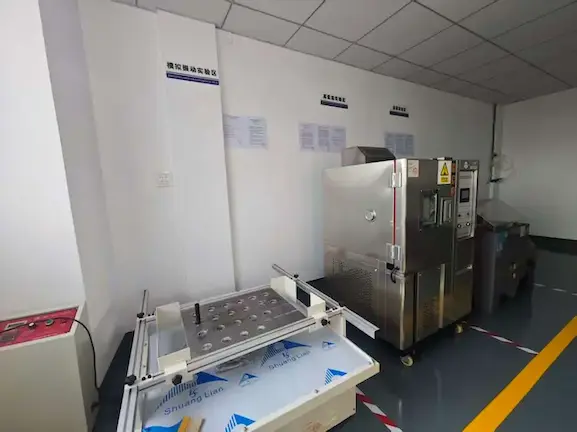
The only way to be sure is through rigorous, multi-stage testing. We test everything from the raw chips to the finished product. Our 12-step final inspection includes temperature cycling, vibration, and sealing tests. This ensures a qualification rate above 99.8% and a defect rate under 50 PPM.
I once visited a factory where "quality testing" meant plugging a sensor into a device to see if a light turned on. That was it. For any aftermarket brand builder, that's a terrifying thought. A sensor can pass that simple test but still fail miserably in a real vehicle. That’s why our approach is fundamentally different. Our quality control is not a single step at the end; it's a philosophy embedded in our entire process.
It starts before production. When a batch of electronic chips arrives at our facility, we don't just put them on the shelf. We take samples and run them through electrical performance and environmental stress tests. If they don't meet our strict standards, we reject the entire batch. Then, once a sensor is fully assembled, the real work begins. Every single unit goes through a gauntlet of 12 punishing final tests designed to simulate years of harsh use. This includes:
- High and Low-Temperature Cycling: We expose them to extreme heat and freezing cold, over and over.
- Vibration Testing: We shake them violently to simulate a lifetime of engine vibration and rough roads.
- Sealing and Pressure Tests: We ensure they are completely sealed against moisture and can handle pressure changes.
This exhaustive process is how we achieve a product qualification rate of over 99.8%. This translates to a parts-per-million (PPM) defect rate of less than 50. For our B2B clients, this means predictable quality, happy end-users, and almost zero warranty headaches.
Conclusion
Choosing quality isn't an expense; it's an investment in your brand's future. A low defect rate protects your reputation, builds customer trust, and secures your long-term success.